Written by
Ellie Dorman
Published on
November 23, 2026

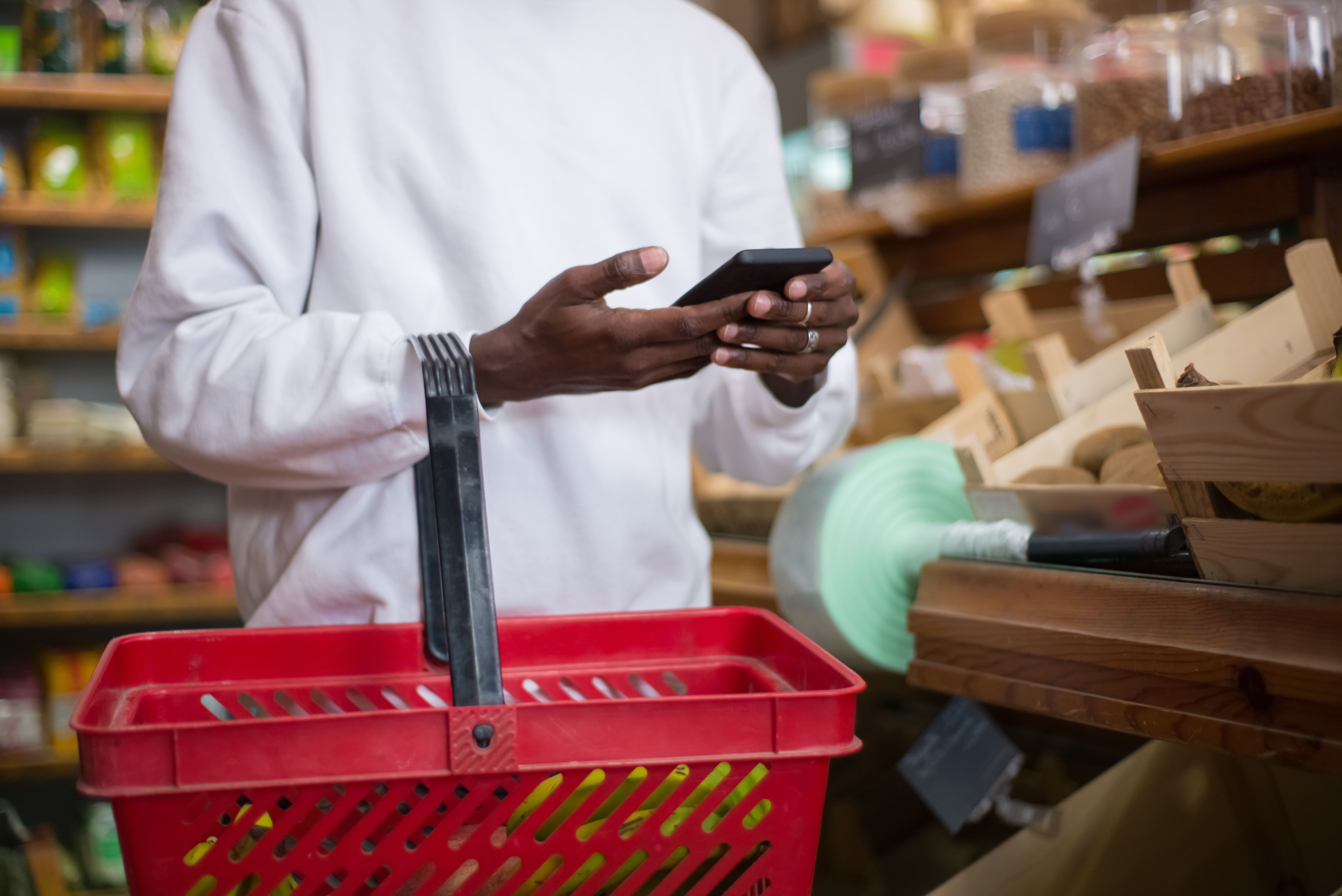

In influencer marketing, bigger isn't always better. While creators with millions of followers dominate the headlines, smaller audiences can offer brands something equally valuable: relevance, familiarity and a connection to a particular community.
But what if some of retail media's most overlooked influencers aren't content creators at all, but the local retailers customers already know and follow?
From convenience stores to supermarket networks, local retailers have built social media communities with a direct connection to the places people shop. As retail media expands beyond traditional advertising channels, these audiences present a valuable opportunity for supplier brands. This article explores why local influence matters, how smaller audiences can deliver collective scale, and how retailers can turn their existing social channels into a measurable retail media opportunity.
The appeal of nano-influencers lies in their ability to connect with a specific audience. Rather than trying to appeal to everyone, smaller creators often focus on particular interests, lifestyles or communities, making their content more relevant to the people following them. Local retailers operate differently from traditional influencers, but there is a similar principle at work. A convenience store sharing a new product launch, seasonal offer or limited-time promotion is communicating with an audience that has a practical reason to pay attention. Its followers may live nearby, shop there regularly or recognise the people behind the business. This gives local retailer content a distinct advantage: proximity to the point of purchase. A national brand might reach millions of people with a product announcement, but a post from an individual store can connect that same product with a specific location where customers can buy it.
For supplier brands, this creates an opportunity to complement national campaigns with more locally relevant messaging. Rather than treating every shopper as part of one broad audience, brands can reach communities through the retail channels they already follow. The connection between influencer marketing and retail media is also gaining attention within the industry. In a recent LinkedIn post, Steve Gray explored how retailers already possess some of the qualities that make influencer marketing valuable: established audiences, familiarity and local relevance. The comparison with nano-influencers highlights an important principle. Influence doesn't always depend on the size of an audience. Sometimes, its value lies in how closely that audience connects to a particular community.
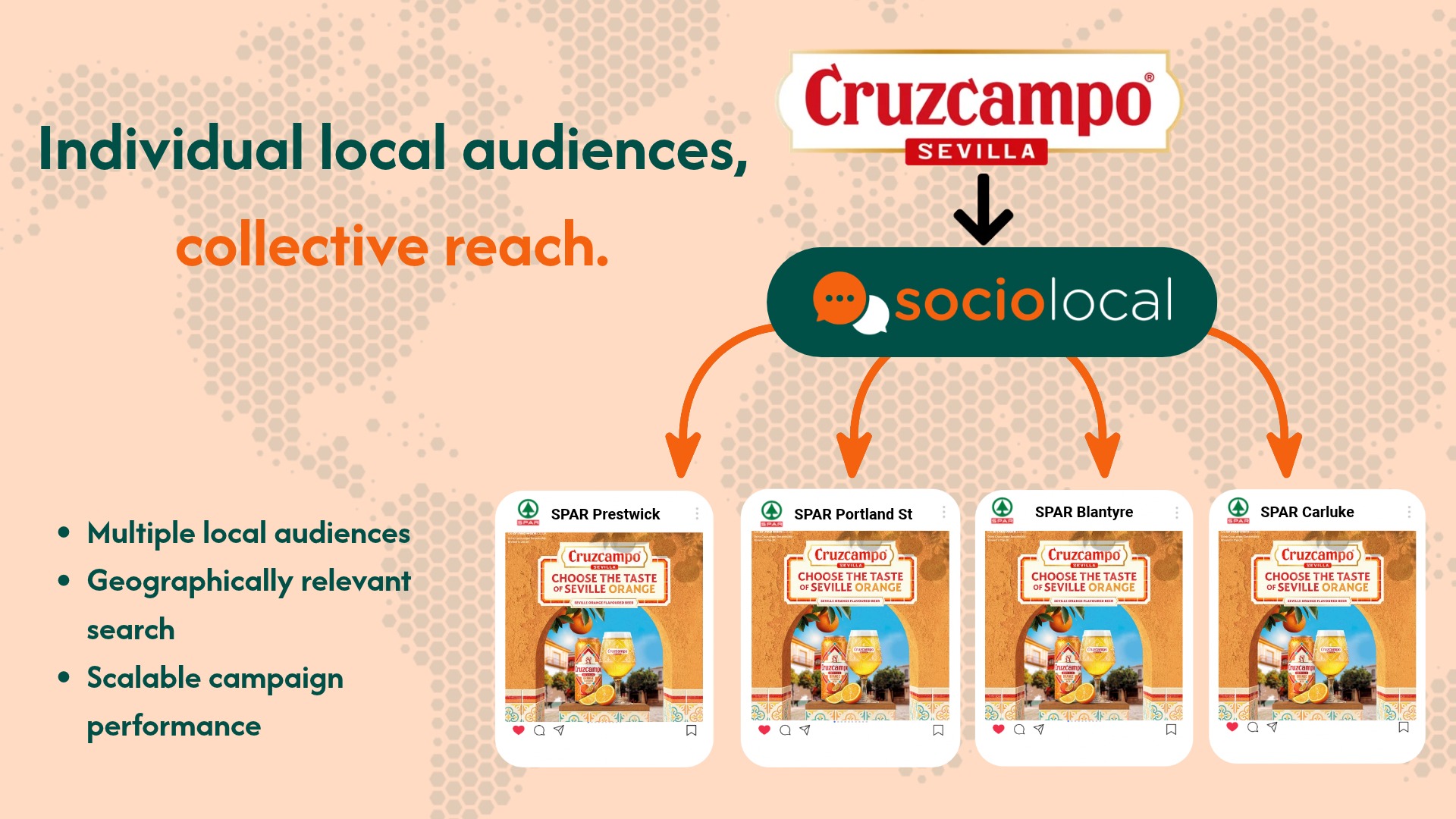
While an individual retailer's social following may be modest, the collective potential of these audiences is significant. When brought together across hundreds of locations, local social pages can become a scalable local retail media network, combining the relevance of community-focused content with the reach of a much larger audience.
This opportunity is emerging as retail media continues to expand beyond its traditional formats. According to IAB Europe, European retail media advertising spend was estimated at €16.9 billion in 2025 and forecast to reach €32.7 billion by 2030. As investment increases, brands and retailers are exploring opportunities beyond sponsored search, ecommerce platforms and in-store digital screens, including ways to reach shoppers through off-site retail media channels.
Local retailer social media offers one such opportunity. A campaign that might otherwise appear only on a national brand page can instead be activated across multiple retailer-owned pages, connecting the same overarching message with geographically relevant audiences. The value lies not simply in accumulating followers, but in combining many smaller audiences into a coordinated campaign. This allows brands to pursue broader reach without losing the local context that makes each retailer's audience commercially interesting.
Audience relevance is only one part of the opportunity. For brands investing in retail media advertising, cost efficiency is equally important, particularly as advertising budgets face increasing pressure to demonstrate measurable returns. Local social media advertising can offer a compelling advantage through lower cost per thousand impressions (CPM).
In 2026, SocioLocal conducted an internal analysis of historical advertising performance data from campaigns delivered through its platform. Drawing on more than £18 million in advertising spend across 240 social media pages, the analysis found that, for the same £1,000 advertising budget, local pages could generate approximately 917,000 impressions compared with 440,000 through brand pages.
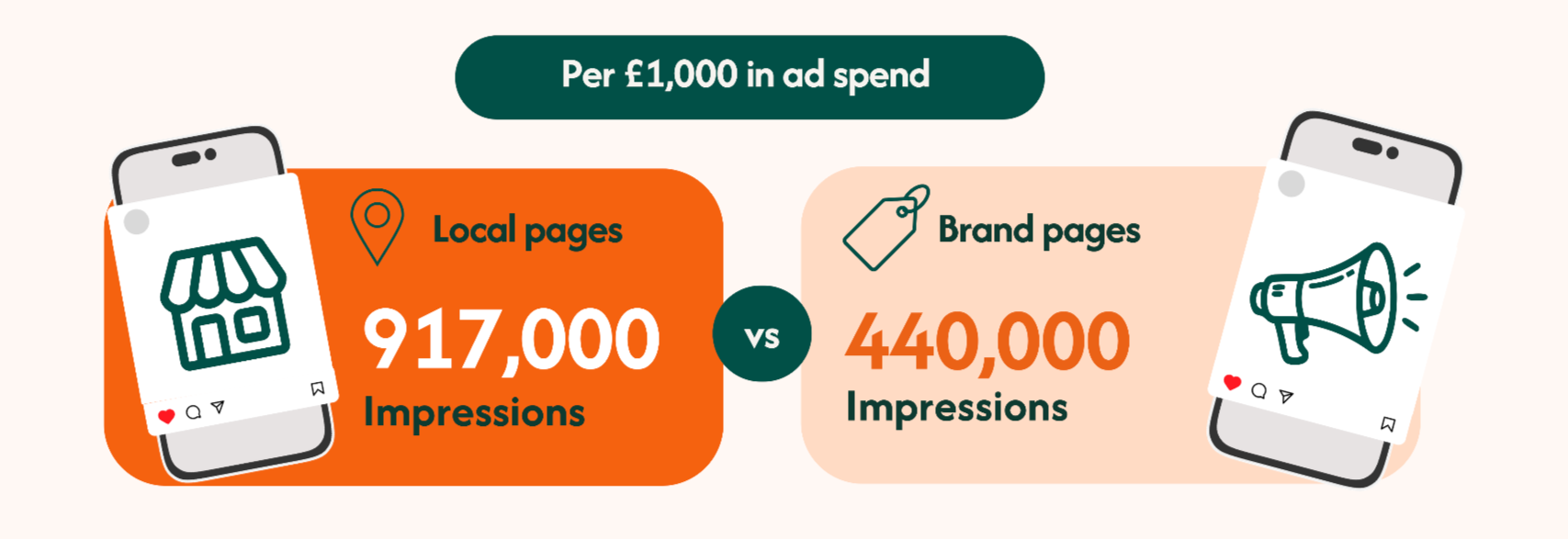
That's more than twice the impressions for the same budget, highlighting the potential for local retail media to deliver more cost-efficient reach.
For supplier brands, this challenges the assumption that national audiences are always the most efficient route to scale. By distributing campaigns across local retailer pages, brands may be able to reach more people while maintaining geographic relevance.
Of course, lower CPM alone does not guarantee stronger commercial outcomes. Reach must still be considered alongside engagement, audience relevance and, ultimately, sales performance.
However, the combination of cost-efficient impressions and proximity to physical stores makes local retailer audiences an attractive proposition for brands looking to maximise the value of their media investment.
The commercial value of local retailer audiences becomes clearer when looking at how these campaigns perform in practice. For the launch of NEW Cruzcampo Sevilla Orange, SocioLocal activated hyperlocal paid social campaigns across 88 SPAR Scotland stores, connecting the new product with shoppers living near participating locations. The campaign generated 309,112 impressions, reaching 297,703 local shoppers at a total campaign cost of just £773.
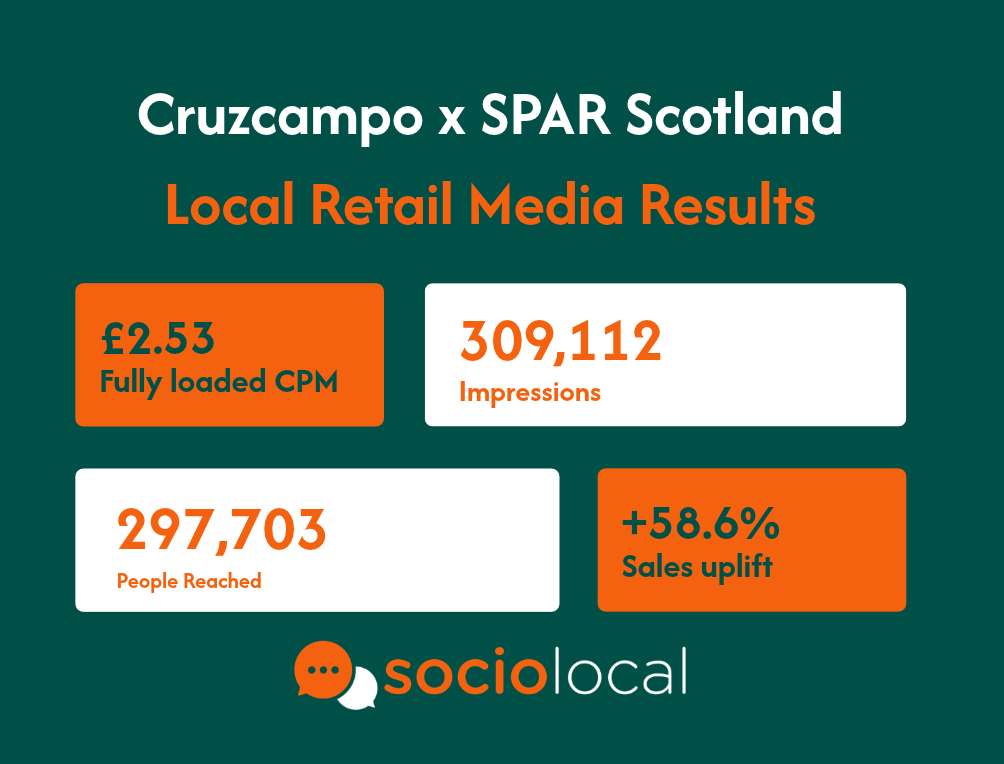
With a fully loaded CPM of approximately £2.53, the campaign demonstrated how local retailer social pages can deliver cost-efficient reach. In the first campaign week, sales increased by 58.6% compared with the week before launch. The results illustrate how local retail media can combine geographically relevant advertising with cost-efficient reach, alongside measurable changes in store sales. Read the full Cruzcampo success story.
Despite this potential, delivering local marketing at scale across hundreds of retailer pages presents operational challenges.
Coordinating activity across multiple stores requires consistent messaging, efficient campaign management and reliable performance measurement. Without centralised systems, managing individual store pages can become time-consuming for retail marketing teams.
This is where technology becomes essential. Through SocioMedia, SocioLocal helps retailers turn their existing local social media pages into scalable retail media inventory. Rather than requiring each store to manage supplier campaigns independently, SocioMedia supports centralised campaign booking, automated distribution, compliance and reporting across retailer networks.
This approach helps multi-location retailers coordinate supplier-funded campaigns while maintaining the local relevance that makes individual store audiences valuable. For retailers, it creates an opportunity to generate additional revenue from the social media communities they have already established. For supplier brands, it provides access to geographically relevant audiences through a coordinated retail media solution.
The result is a model that combines national brand objectives with local marketing execution, without requiring retailers to build entirely new advertising channels.
For retailers looking to turn their existing social media audiences into a retail media opportunity, there are three practical steps to consider.
Local retailers may not fit the traditional definition of influencers, but their established communities offer many of the same advantages: relevance, familiarity and a connection to a specific audience.
For supplier brands, combining these audiences across multiple locations creates an opportunity to achieve scale without losing local relevance. For retailers, it opens up new ways to generate value from the social media communities they've already built. As retail media continues to evolve, the opportunity isn't necessarily to create more advertising channels. It's to recognise the commercial potential of those that already exist. Through solutions like SocioMedia, retailers can turn their local social audiences into scalable retail media opportunities, connecting brands with shoppers closer to the point of purchase.
Discover how SocioLocal can help unlock the potential of your local retail network. Book a demo today.
