Written by
Kate Scully
Published on
April 20, 2026

.png)

For multi-location brands, social media often becomes a balancing act between scale and relevance.
Head office teams invest heavily in creating polished campaigns, consistent messaging and brand-safe content that can be rolled out across every location. On paper, it makes sense. It’s efficient, controlled and aligned.
But when you look at what actually performs best on local social media pages, a different picture emerges.
It’s not the professionally designed promotional graphics or centrally produced campaigns that drive the strongest engagement. It’s the simple, human moments - the staff member behind the counter, the local customer, the community event happening just down the road.
The content that works best doesn’t feel like marketing. It feels like real life.
Social media is an inherently personal space. People scroll quickly, filtering out anything that doesn’t immediately feel relevant to them.
This is where people-led content has a distinct advantage.
When someone sees a post featuring a familiar face or a recognisable local setting, it triggers an instant connection. It might be someone they know, someone they’ve seen in-store, or simply a moment that feels close to home. That familiarity is what stops the scroll.
Compare that to a generic branded post promoting an offer. While it may be visually polished, it often lacks context. It could be from any store, in any town, targeting anyone. As a result, it’s easier to ignore.
Now consider the difference when that same page shares something like:
These posts don’t just appear in the feed - they resonate. They feel specific, relevant and real.
The most effective local pages are not those that post the most, but those that reflect their community the best. And consistently, high-performing content tends to fall into a few recognisable categories.
Posts featuring staff are some of the most powerful because they humanise the brand instantly. A simple “Meet the Team” post or a photo celebrating a work anniversary creates a sense of familiarity that no promotional graphic can replicate.
Customers begin to associate the store with real people, not just products. Over time, this builds recognition and trust, both online and in-store.
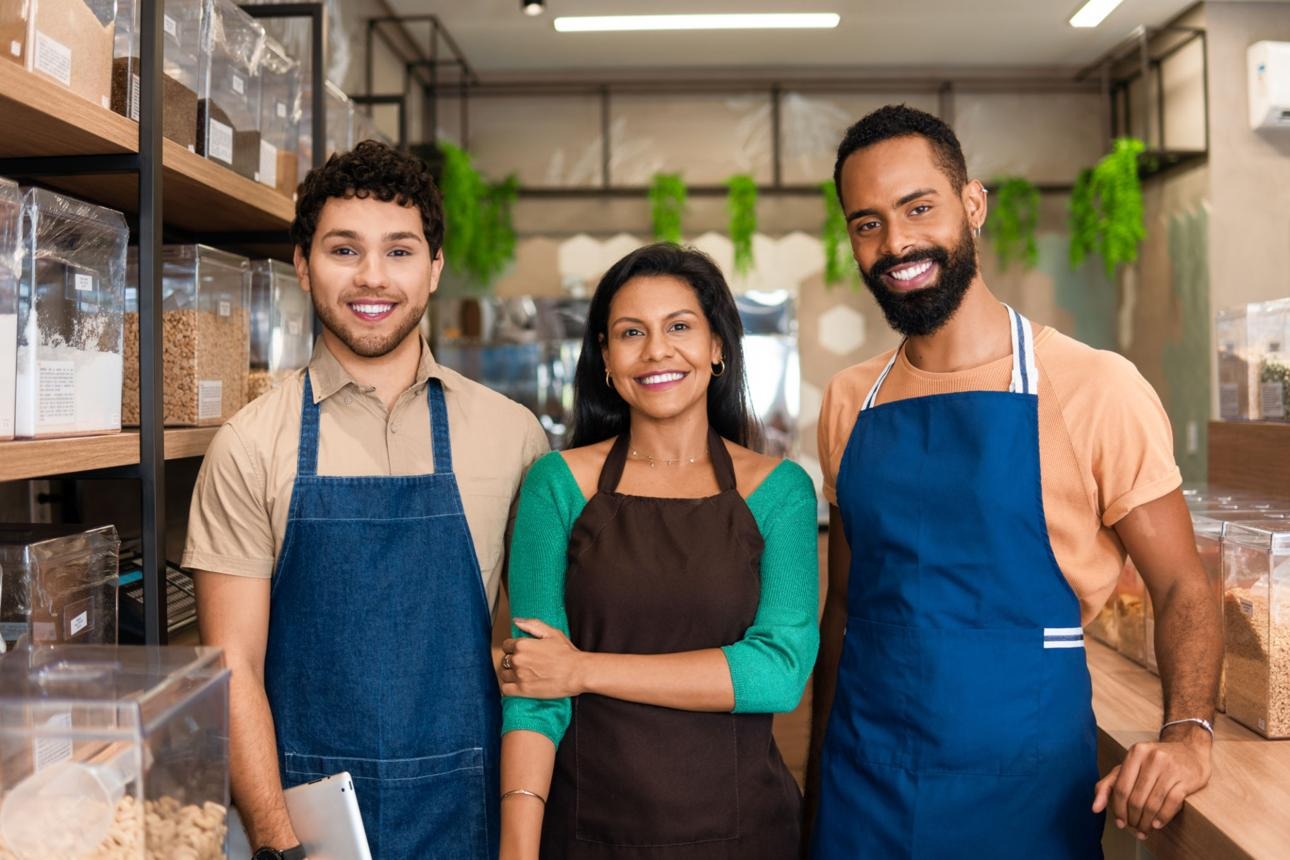
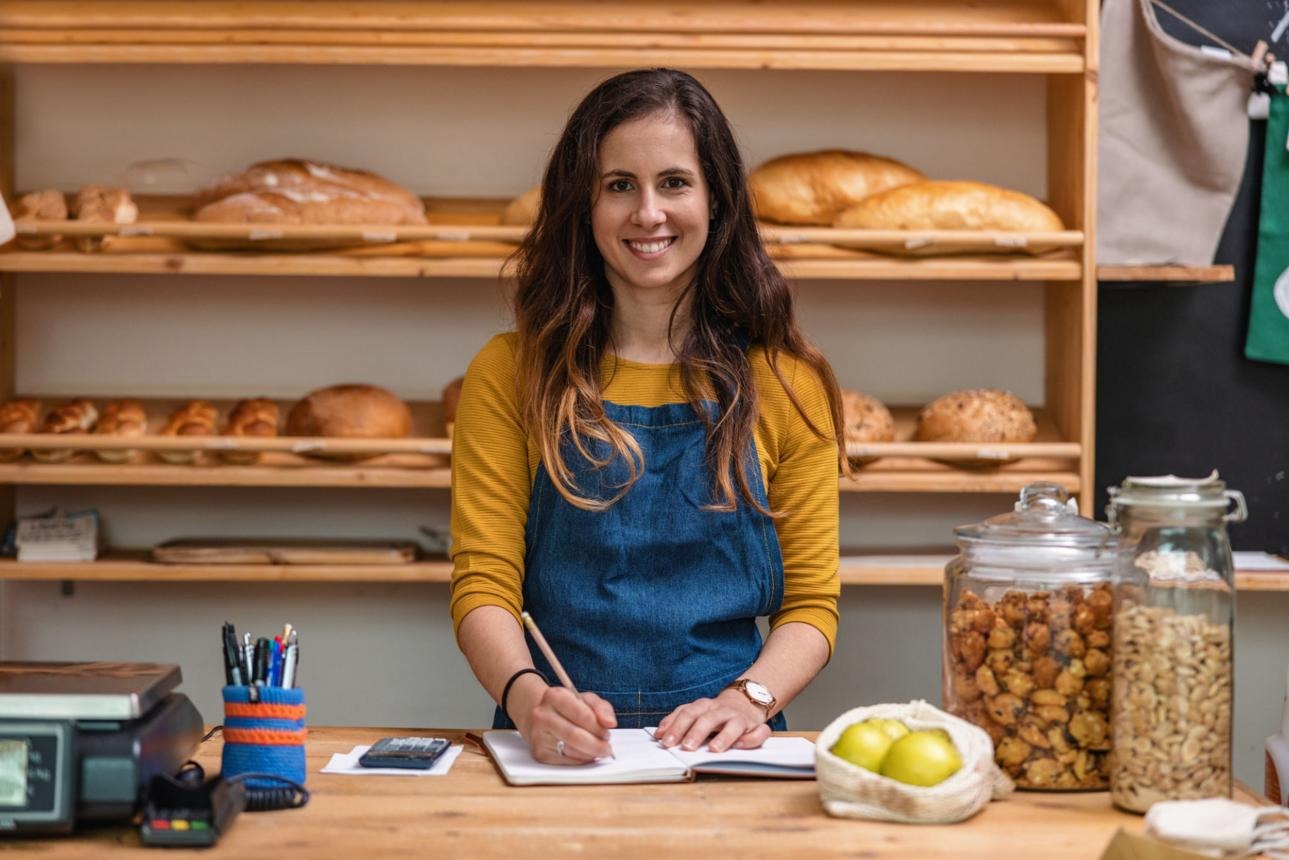
When stores highlight their involvement in the local community, it reinforces their role beyond retail. Whether it’s sponsoring a local team, supporting a fundraiser or participating in an event, these moments show that the business is invested in the area it serves.
This type of content often drives strong engagement because it taps into local pride. People are naturally more inclined to interact with posts that celebrate their community.

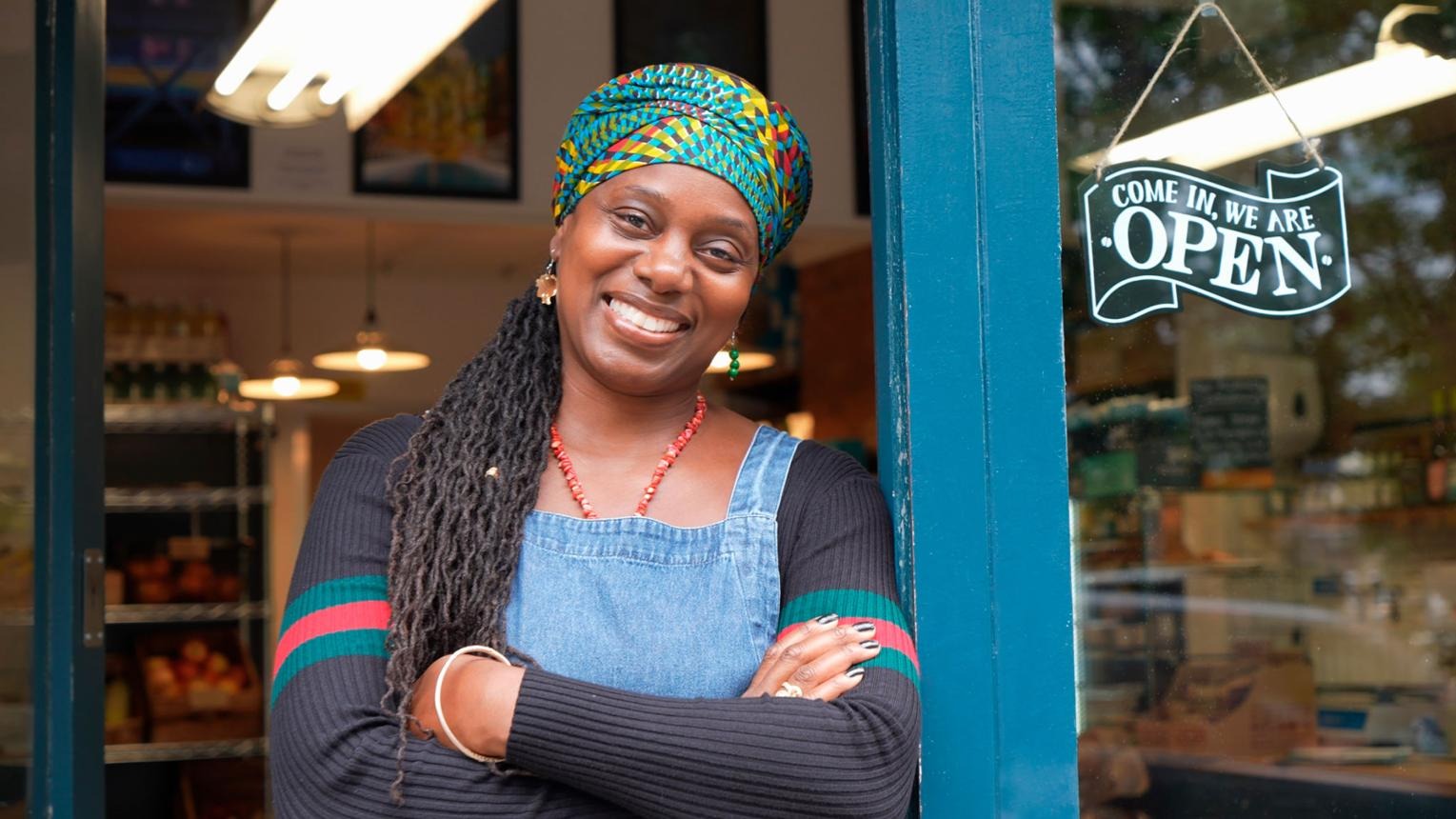
Featuring customers - whether it’s a competition winner or a regular shopper - adds another layer of authenticity. These posts feel organic and relatable, often prompting comments, shares and tags from people within the same community.
They also subtly reinforce footfall by showcasing real experiences happening in-store.
Please bear in mind: Retailers should always ensure that the customer:
The difference in performance between people-led content and generic brand content comes down to one key factor: emotional connection.
People are far more likely to engage with content that reflects their own world. A local post featuring a familiar setting or person doesn’t require explanation - it’s immediately understood and appreciated.
This leads to more meaningful interactions. Instead of passive likes, you see comments, conversations and shares. People tag friends, recognise faces and contribute to the moment being shared.
From a platform perspective, this type of engagement is incredibly valuable. Algorithms prioritise content that generates interaction, which means these posts are more likely to be shown to a wider audience. In turn, this amplifies their reach far beyond what a standard promotional post might achieve.
For multi-location brands, the implication is clear. The most effective local social media strategy is not about pushing more centralised content, but about unlocking more local storytelling. Stackla “surveyed 1,590 consumers and 150 B2C marketers from the US, UK and Australia to understand the types of content consumers create, reference and are influenced by” and compared it to the viewpoints of marketers who create content experiences for consumers.
A few key highlights from their findings:
There is often a concern that giving local teams more control will lead to inconsistency or risk. As a result, content becomes overly standardised, limiting its relevance and impact.
The brands seeing the strongest results take a different approach. They focus on enabling rather than controlling. Instead of asking, “How do we create more content at head office?”, they ask, “How do we help every location create better content?”
Encouraging people-led content at scale does not require complex strategies, but it does require the right support.
Local teams need clarity on what works, confidence to capture content and simple tools to execute it quickly. When stores understand that a quick photo of a team moment or community event is not just acceptable but encouraged, participation increases significantly.
It’s also important to reinforce that content does not need to be perfect to perform. In fact, overly polished posts can often feel less authentic. The goal is not production quality, but relatability.
At the same time, head office still plays a crucial role in maintaining brand integrity. Clear guidelines, tone of voice direction and built-in guardrails ensure that while content is local, it still aligns with the overall brand.
When people-led content is consistently created across multiple locations, it becomes a powerful engine for growth. Each store contributes its own stream of authentic, relevant content. Over time, patterns emerge. Certain types of posts perform better, certain formats resonate more strongly and best practices can be identified. These insights can then be shared across the network, allowing successful ideas to be replicated while still maintaining local relevance. The result is a scalable model where authenticity is not lost, but amplified.
The most successful local social media pages are not the most polished or the most promotional. They are the most human. They reflect the people behind the business, the community around it and the everyday moments that make each location unique.
For multi-location brands, this represents a significant opportunity. By shifting the focus towards people-led content and empowering local teams to tell their own stories, brands can create stronger engagement, deeper trust and more meaningful connections at scale.
Because in local marketing, the content that performs best isn’t created in a studio. It’s created in-store, in the community and in the moments that matter most.

